
Coffee cultivation in India
Planted area of coffee in hectares as of 2021-22
KARNATAKA
Arabica1,07,186
Robusta1,38,864
(in hectares)
KERALA
Arabica4,231
Robusta81,649
(in hectares)
TAMIL NADU
Arabica1,40,755
Robusta2,26,827
(in hectares)
NON-TRADITIONAL
Arabica99,116
Robusta264
(in hectares)
NORTH EASTERN
Arabica2,882
Robusta1,813
(in hectares)
Main Coffees grown in Karnataka

Chikamagalur
Arabica, Robusta

Biligiris
Arabica

Coorg
Arabica, Robusta

Bababudangiris
Arabica

Manjarabad
Arabica, Robusta

Mysore Nuggets
Arabica, Robusta
Main Coffees grown in Kerala

Travancore
Robusta

Wayanaad
Robusta

Specialty coffee
Arabica, Robusta

Specialty coffee
Robusta
Main Coffees grown in Tamil Nadu

Anamalais
Arabica
Biligiris
Arabica

Nilgiris
Arabica, Robusta

Pulneys
Arabica

Sheveroys
Arabica
Main Coffees grown in Non-traditional areas

Araku Valley
Arabica

Brahmaputra
Arabica
Main Coffees grown in North Eastern areas
Brahmaputra
Arabica
KARNATAKA
Arabica1,07,186
Robusta1,38,864
(in hectares)
Main Coffees grown in Karnataka
Chikamagalur
Arabica, Robusta
Biligiris
Arabica
Coorg
Arabica, Robusta
Bababudangiris
Arabica
Manjarabad
Arabica, Robusta
Specialty coffee
Arabica, Robusta
KERALA
Arabica4,231
Robusta81,649
(in hectares)
KERALA
Arabica4,231
Robusta81,649
(in hectares)
Main Coffees grown in Kerala

Travancore
Robusta

Wayanaad
Robusta
Specialty coffee
Arabica, Robusta
Specialty coffee
Robusta
TAMIL NADU
Arabica1,40,755
Robusta2,26,827
(in hectares)
TAMIL NADU
Arabica1,40,755
Robusta2,26,827
(in hectares)
Main Coffees grown in Tamil Nadu
Anamalais
Arabica
Biligiris
Arabica
Nilgiris
Arabica, Robusta
Pulneys
Arabica
Sheveroys
Arabica
NON-TRADITIONAL
Arabica99,116
Robusta264
(in hectares)
NON-TRADITIONAL
Arabica99,116
Robusta264
(in hectares)
Main Coffees grown in Non-traditional areas
Araku Valley
Arabica
December
Arabica
NORTH EASTERN
Arabica2,882
Robusta1,813
(in hectares)
NORTH EASTERN
Arabica2,882
Robusta1,813
(in hectares)
Main Coffees grown in North Eastern
December
Arabica
Source: Coffee Board of India
Latest Coffee futures prices

Rs
ROBUSTA
ICE - New York
per Kg
Rs
ARABICA
ICE - Europe
per Kg
Source: Published in Coffee Board of India
Coffee Calendar
January
February
March
April
May
June
July
August
September
October
November
December
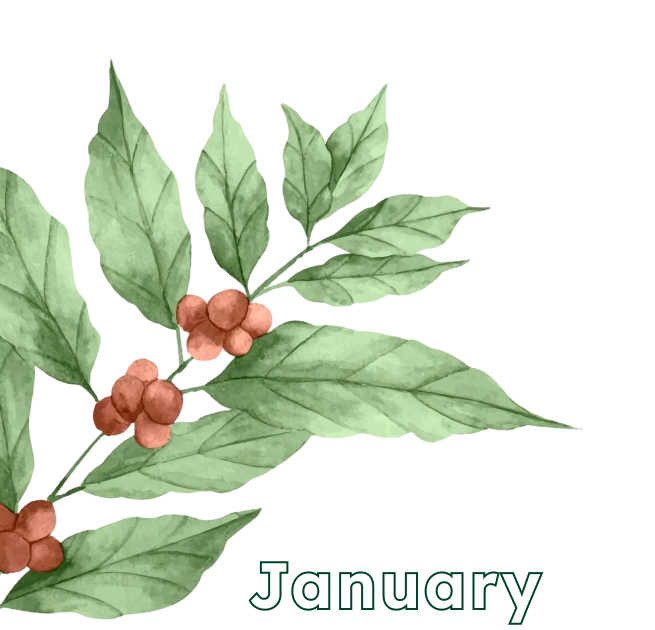

- Harvesting and processing of Robusta coffee. Cover the ground with mats to avoid gleanings while harvesting Robusta
- Collection of Arabica gleanings and disinfestations/disposal of berries infested with berry borer.
- Collection of left over fruits and off-season berries in berry borer infested blocks
- Cleaning of paths around the estates to prevent fire accidents

- Preparation of germination beds and sowing of seeds
- In young clearings, watering young seedlings when necessary.

- Control measures against root mealy bugs, if necessary
- Install Broca traps in field and around drying yards

- Harvesting and processing of Robusta coffee. Cover the ground with mats to avoid gleanings while harvesting Robusta
- Collection of Arabica gleanings and disinfestations/disposal of berries infested with berry borer.
- Collection of left over fruits and off-season berries in berry borer infested blocks
- Cleaning of paths around the estates to prevent fire accidents
- Pre-blossom manuring
- Blossom irrigation during the second fortnight for Robusta
- Prepare the land for coffee planting
- In young clearings, watering young seedlings when necessary.
- Preparation of secondary beds, filling & arranging of poly bags and transplanting
- Collection of soil sample
- Pruning of Arabica. Delay pruning till receipt of showers if hot, dry weather conditions prevail
- Control measures against root mealy bugs, if necessary
- Install Broca traps in field and around drying yards
- Collection and destruction of pupae of hairy caterpillars
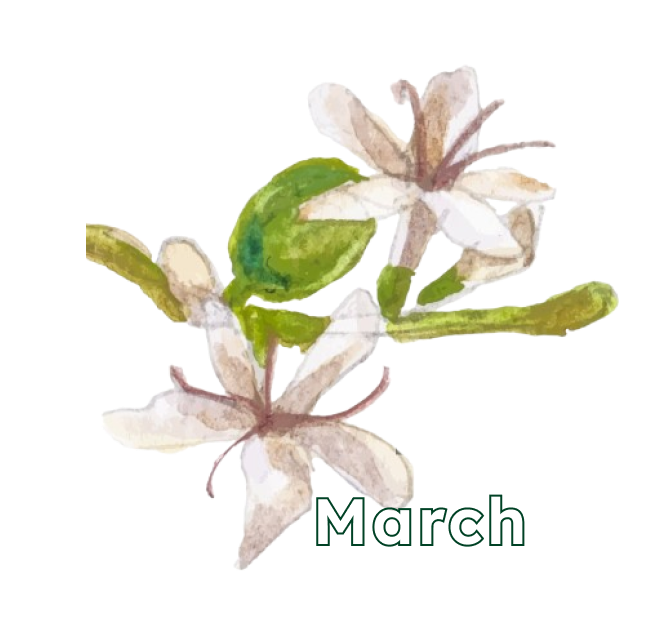
- Completing of harvesting of Robusta
- Collection of gleanings and disinfestations/disposal of berries infested with berry borer.
- Removal of leftover fruits and off-season berries in berry borer infested areas
- Cleaning of paths around the estates to prevent fire accidents
- Pre-blossom manuring
- Irrigation for Robusta within 20 days from blossom irrigation
- Prepare the land for coffee planting
- Watering young seedlings when necessary
- Transplanting of button stage seedlings into poly bags and after-care of seedlings
- Collection of soil sample
- Pruning of Arabica and Robusta
- Control measures against root and shoot mealy bugs and green scale, if necessary
- Refilling of lure material in Brocatraps
- Collection and destruction of pupae of hairy caterpillars
- Stem-borer affected plants must be traced and burned before March. To preserve uprooted stumps, submerge them in water for 10 days to eliminate all pests.
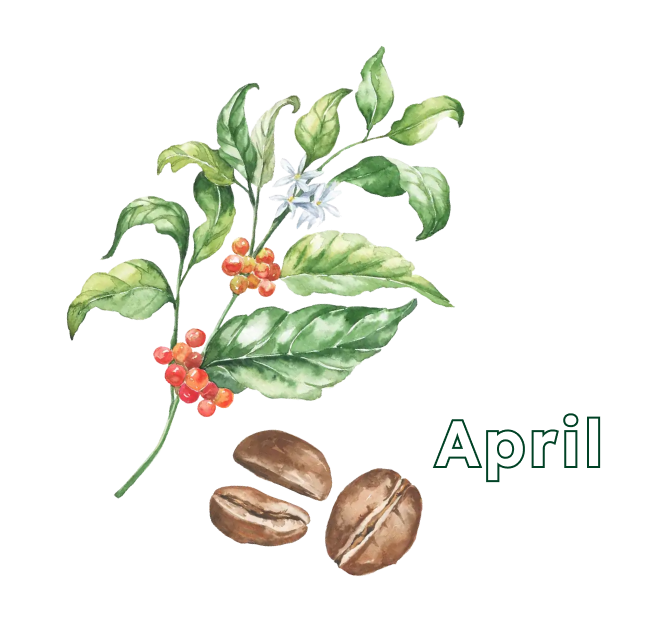
- Pruning of Robusta
- Control measures against root and shoot mealy bugs and green scale, if necessary
- Collection and destruction of pupae of hairy caterpillars
- If tracing of stem borer affected plants is not completed by end of March covering the entire estate, it should be completed by the 2nd week of April.
- Application of compost/bulky organic manures
- Spray nursery seedlings with recommended fungicide at 30-day intervals for brown eye spot. If myrothesium occurs, spray at 15-20-day intervals.
- Line marking and opening of pits in new clearings.
- To prevent stem borer, spray or swab the main stem and thick primary branches of remaining healthy plants with recommended fungicide by the end of April.
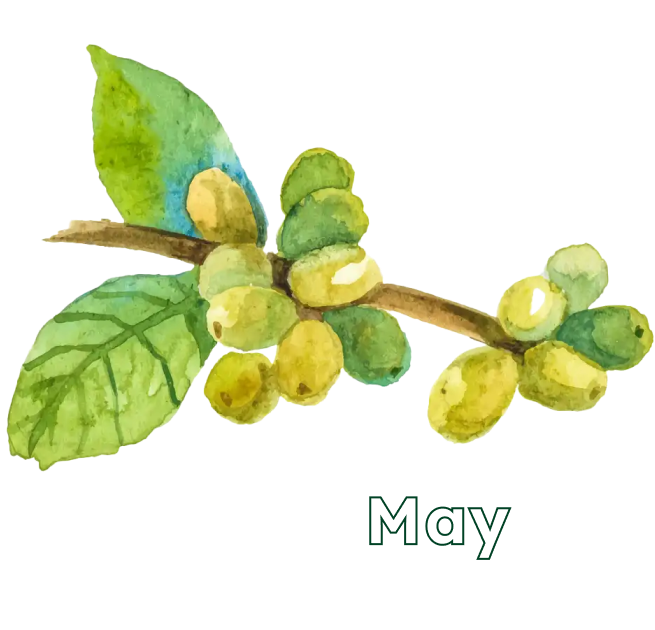
- Regulation of permanent shade
- Lopping of dadap in the second fortnight depending on weather conditions
- Shade lopping or lifting can be taken up
- Clearing of drains and renovation of cradle pits/trenches
- Pre-monsoon manuring
- Spray nursery seedlings with recommended fungicide if brown eye spot is noticed. If myrothesium occurs, spray at 15 days intervals.
- Opening of planting pits in new clearings.
- Weeding in new clearings
- Planting shade tree seedlings
- Control measures against root and shoot mealy bugs and green scale, if necessary
- Pre-monsoon spraying of 0.5% Bordeaux mixture against coffee leaf rust. Susceptible verities like S.795, Cauvery etc., should be sprayed with systemic fungicides
- Wherever root diseases are observed, drench the soil with recommended fungicides to the plants showing initial stage of wilting
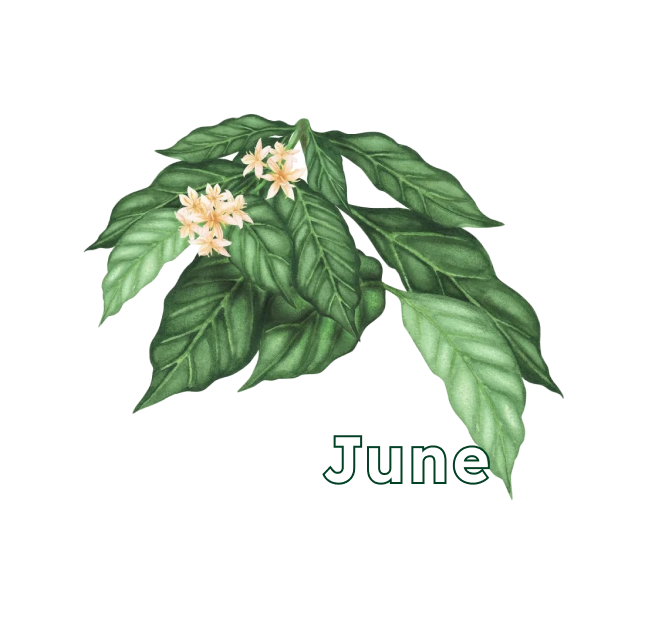
- Completion of dadap lopping
- Supply planting, staking and mulching
- Weeding & de-suckering in established fields
- Clearing of drains and renovation of cradle pits/trenches
- Pre-monsoon manuring if not done during May
- Planting stakes/ seedlings of shade plants (both temporary & permanent) in new clearings and open patches
- Nursery: Thinning and removal of pendal depending on weather and aftercare
- Control measures against shoot mealy bugs and green scale, if necessary
- Installation of light traps for collection and destruction of moths of hairy caterpillars and root grubs
- Completion of handling centring of bushes in black rot endemic blocks and spraying with 1% Bordeaux mixture
- Pre-monsoon spraying of 0.5% Bordeaux mixture as pre-monsoon application against coffee leaf rust.
 North-East monsoon areas
 - Liming for correction of soil pH based on soil tests
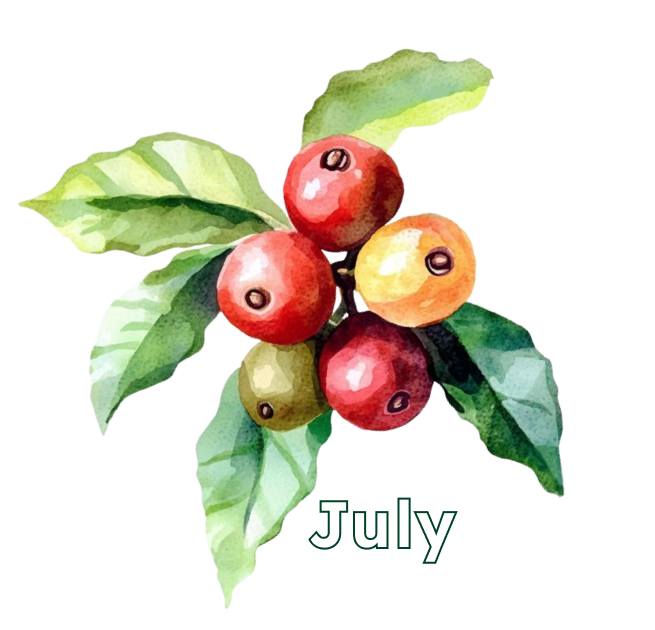
- Handling, centring and de-suckering. In marginal areas, centring should be minimised in Arabica to avoid exposure of main stem so as to minimise the risk of stem borer attack
- Sash weeding
- Supply planting if weather permits
- Aftercare of seedlings
- Planting of coffee seedlings
- Control measures against shoot mealy bugs and green scale, if necessary
- If berry borer is noticed, spot sprays with Beauveria bassiana during the break in monsoon
- In black rot affected plants, removal and destruction of black rot affected twigs, leaves etc. should be done followed by spray of recommended fungicides during the break in rains.
North-East monsoon areas - Carry out dadap lopping
- Plant dadap stakes, seedling of coffee and permanent shade trees

- Handling, centring and de-suckering. In marginal areas, centring should be minimised in Arabica to avoid exposure of main stem so as to minimise the risk of stem borer attack
- Weeding to be continued
- Reglulate dedap shade
- Supply planting if weather permits
- Aftercare of seedlings
- Planting of coffee seedlings
- Mid monsoon manuring (during break in the monsoon)
- Stem Borer: Tracing & destruction/disposal of stem borer affected plants
- Control measures against cockchafer, if necessary
- If berry borer is noticed, spot sprays with Beauveria bassiana may be taken up
- Removal and burning of shot-hole borer infested twigs
North-East monsoon areas - Pre-monsoon spraying with 0.5% Bordeaux mixture against leaf rust prior to monsoon

- Bark scrubbing/ 10% lime application should be completed on healthy plants to prevent stem borer egg laying
- Install Xycom traps in infested blocks to manage the shot hole borer
- Planting of coffee seedlings and shade trees
- Post monsoon manuring
- Spraying nursery seedlings with recommended funicide against brown eye-spot disease
- Stem Borer: Tracing & destruction/disposal of stem borer affected plants
- Post-monsoon spray against leaf rust in Arabica with systemic fungicides. Tolerant Varieties like Chandragiri, Sln.6, Sln.5B can be sprayed with 0.5% Bordeaux mixture.
- Harvesting of borer infested berries, if present and dip in boiling water. If more infestation is observed, spot spray Beauveria bassina.
- Shot-hole borer tracing, removal and burning of infested twigs
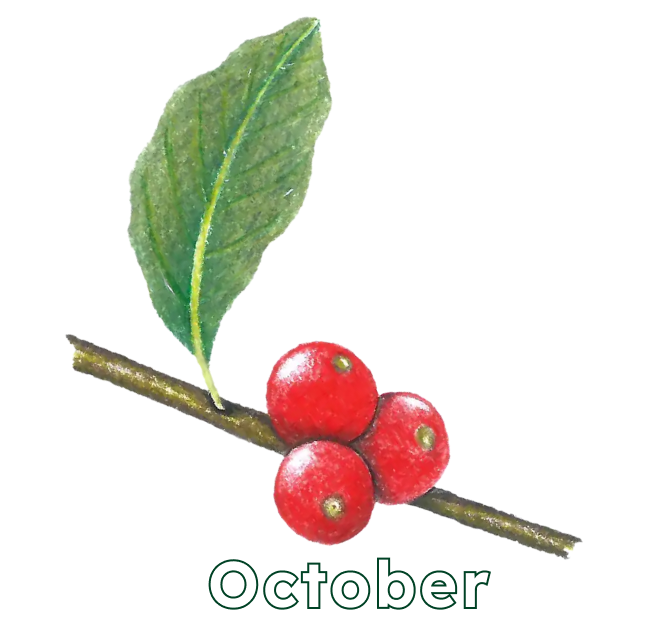
- Adopt any one the measures like scrubbing or coating with 10% lime before mid of October
- Clean weeding in Arabica blocks
- Install pheromone traps to monitor stem borer
- Cleaning and preparation of drying yard, pulper site and pulping equipment
- Removal of hanging branches in permanent shade trees
- Post monsoon manuring upto 2nd fortnight
- Opening cradle pits / staggered trenches in sloppy areas
- Handling, centring and de-suckering, if excess vegetative growth is observed.
- Recommended fungicide spray against leaf rust before first week of October
- Install Broca traps in field and around drying yards.
- Shot-hole borer tracing, removal and burning of infested twigs. Install Xycom traps
- Wherever root diseases are observed, open trenches around plants, drench the soil with recommended fungicides to the plants showing initial stage of wilting
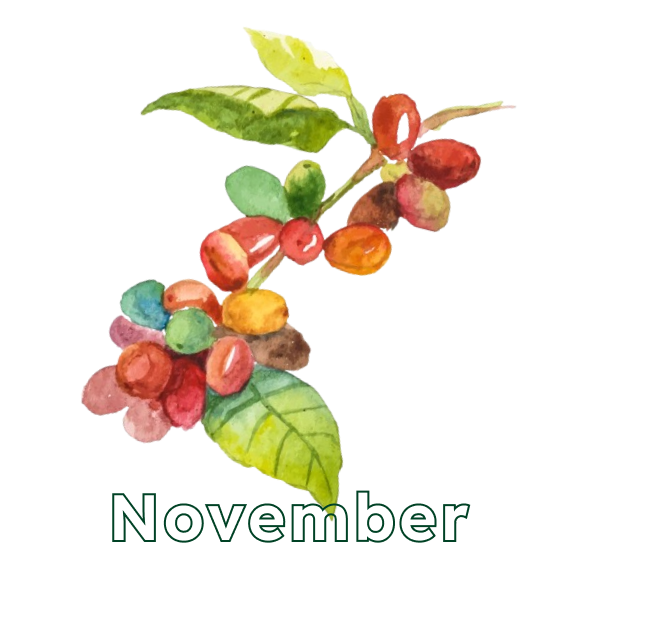
- Harvesting and processing of Arabica coffee
- Clean weeding in Robusta blocks
- Liming for correction of soil pH wherever necessary
- Lime washing young dadap stems
- Winter irrigation with sprinklers in Robusta blocks, depending on rainfall conditions and availability of water
- In new clearings, cover digging during the year of planting followed by scuffling in clearings with 2nd and 3rd year seedlings
- Forking, mulching and hutting young plants in new clearings
- Control measures against hairy caterpillars
- Install Broca traps in field and drying yards.
- Shot-hole borer tracing, removal and burning of infested twigs in Robusta coffee
North-East monsoon areas - Post-monsoon spraying of 0.5% Bordeaux mixture against leaf rust
- Regulation of dedap shade

- Harvesting and processing of Arabica coffee
- Harvesting of Robusta fruit. Use mats to avoid gleanings while harvesting
- Liming for correction of soil pH
- Cleaning of paths around the estates to prevent fire accidents
- Collection and drying of jungle soil and farm yard manure and sand for nursery
North-East monsoon areas - Spray 0.5% Bordeaux mixture in Arabica blocks to control leaf rust
- Harvesting and processing of Robusta coffee. Cover the ground with mats to avoid gleanings while harvesting Robusta
- Collection of Arabica gleanings and disinfestations/disposal of berries infested with berry borer.
- Collection of left over fruits and off-season berries in berry borer infested blocks
- Cleaning of paths around the estates to prevent fire accidents
- Preparation of germination beds and sowing of seeds
- In young clearings, watering young seedlings when necessary.
- Control measures against root mealy bugs, if necessary
- Install Broca traps in field and around drying yards
- Harvesting and processing of Robusta coffee. Cover the ground with mats to avoid gleanings while harvesting Robusta
- Collection of Arabica gleanings and disinfestations/disposal of berries infested with berry borer.
- Collection of left over fruits and off-season berries in berry borer infested blocks
- Cleaning of paths around the estates to prevent fire accidents
- Pre-blossom manuring
- Blossom irrigation during the second fortnight for Robusta
- Prepare the land for coffee planting
- In young clearings, watering young seedlings when necessary.
- Preparation of secondary beds, filling & arranging of poly bags and transplanting
- Collection of soil sample
- Pruning of Arabica. Delay pruning till receipt of showers if hot, dry weather conditions prevail
- Control measures against root mealy bugs, if necessary
- Install Broca traps in field and around drying yards
- Collection and destruction of pupae of hairy caterpillars
- Completing of harvesting of Robusta
- Collection of gleanings and disinfestations/disposal of berries infested with berry borer.
- Removal of leftover fruits and off-season berries in berry borer infested areas
- Cleaning of paths around the estates to prevent fire accidents
- Pre-blossom manuring
- Irrigation for Robusta within 20 days from blossom irrigation
- Prepare the land for coffee planting
- Watering young seedlings when necessary
- Transplanting of button stage seedlings into poly bags and after-care of seedlings
- Collection of soil sample
- Pruning of Arabica and Robusta
- Control measures against root and shoot mealy bugs and green scale, if necessary
- Refilling of lure material in Brocatraps
- Collection and destruction of pupae of hairy caterpillars
- Stem-borer affected plants must be traced and burned before March. To preserve uprooted stumps, submerge them in water for 10 days to eliminate all pests.
- Pruning of Robusta
- Control measures against root and shoot mealy bugs and green scale, if necessary
- Collection and destruction of pupae of hairy caterpillars
- If tracing of stem borer affected plants is not completed by end of March covering the entire estate, it should be completed by the 2nd week of April.
- Application of compost/bulky organic manures
- Spray nursery seedlings with recommended fungicide at 30-day intervals for brown eye spot. If myrothesium occurs, spray at 15-20-day intervals.
- Line marking and opening of pits in new clearings.
- To prevent stem borer, spray or swab the main stem and thick primary branches of remaining healthy plants with recommended fungicide by the end of April.
- Regulation of permanent shade
- Lopping of dadap in the second fortnight depending on weather conditions
- Shade lopping or lifting can be taken up
- Clearing of drains and renovation of cradle pits/trenches
- Pre-monsoon manuring
- Spray nursery seedlings with recommended fungicide if brown eye spot is noticed. If myrothesium occurs, spray at 15 days intervals.
- Opening of planting pits in new clearings.
- Weeding in new clearings
- Planting shade tree seedlings
- Control measures against root and shoot mealy bugs and green scale, if necessary
- Pre-monsoon spraying of 0.5% Bordeaux mixture against coffee leaf rust. Susceptible verities like S.795, Cauvery etc., should be sprayed with systemic fungicides
- Wherever root diseases are observed, drench the soil with recommended fungicides to the plants showing initial stage of wilting
- Completion of dadap lopping
- Supply planting, staking and mulching
- Weeding & de-suckering in established fields
- Clearing of drains and renovation of cradle pits/trenches
- Pre-monsoon manuring if not done during May
- Planting stakes/ seedlings of shade plants (both temporary & permanent) in new clearings and open patches
- Nursery: Thinning and removal of pendal depending on weather and aftercare
- Control measures against shoot mealy bugs and green scale, if necessary
- Installation of light traps for collection and destruction of moths of hairy caterpillars and root grubs
- Completion of handling centring of bushes in black rot endemic blocks and spraying with 1% Bordeaux mixture
- Pre-monsoon spraying of 0.5% Bordeaux mixture as pre-monsoon application against coffee leaf rust.
North-East monsoon areas - Liming for correction of soil pH based on soil tests
- Handling, centring and de-suckering. In marginal areas, centring should be minimised in Arabica to avoid exposure of main stem so as to minimise the risk of stem borer attack
- Sash weeding
- Supply planting if weather permits
- Aftercare of seedlings
- Planting of coffee seedlings
- Control measures against shoot mealy bugs and green scale, if necessary
- If berry borer is noticed, spot sprays with Beauveria bassiana during the break in monsoon
- In black rot affected plants, removal and destruction of black rot affected twigs, leaves etc. should be done followed by spray of recommended fungicides during the break in rains.
North-East monsoon areas - Carry out dadap lopping
- Plant dadap stakes, seedling of coffee and permanent shade trees
- Handling, centring and de-suckering. In marginal areas, centring should be minimised in Arabica to avoid exposure of main stem so as to minimise the risk of stem borer attack
- Weeding to be continued
- Reglulate dedap shade
- Supply planting if weather permits
- Aftercare of seedlings
- Planting of coffee seedlings
- Mid monsoon manuring (during break in the monsoon)
- Stem Borer: Tracing & destruction/disposal of stem borer affected plants
- Control measures against cockchafer, if necessary
- If berry borer is noticed, spot sprays with Beauveria bassiana may be taken up
- Removal and burning of shot-hole borer infested twigs
North-East monsoon areas - Pre-monsoon spraying with 0.5% Bordeaux mixture against leaf rust prior to monsoon
- Bark scrubbing/ 10% lime application should be completed on healthy plants to prevent stem borer egg laying
- Install Xycom traps in infested blocks to manage the shot hole borer
- Planting of coffee seedlings and shade trees
- Post monsoon manuring
- Spraying nursery seedlings with recommended funicide against brown eye-spot disease
- Stem Borer: Tracing & destruction/disposal of stem borer affected plants
- Post-monsoon spray against leaf rust in Arabica with systemic fungicides. Tolerant Varieties like Chandragiri, Sln.6, Sln.5B can be sprayed with 0.5% Bordeaux mixture.
- Harvesting of borer infested berries, if present and dip in boiling water. If more infestation is observed, spot spray Beauveria bassina.
- Shot-hole borer tracing, removal and burning of infested twigs
- Adopt any one the measures like scrubbing or coating with 10% lime before mid of October
- Clean weeding in Arabica blocks
- Install pheromone traps to monitor stem borer
- Cleaning and preparation of drying yard, pulper site and pulping equipment
- Removal of hanging branches in permanent shade trees
- Post monsoon manuring upto 2nd fortnight
- Opening cradle pits / staggered trenches in sloppy areas
- Handling, centring and de-suckering, if excess vegetative growth is observed.
- Recommended fungicide spray against leaf rust before first week of October
- Install Broca traps in field and around drying yards.
- Shot-hole borer tracing, removal and burning of infested twigs. Install Xycom traps
- Wherever root diseases are observed, open trenches around plants, drench the soil with recommended fungicides to the plants showing initial stage of wilting
- Harvesting and processing of Arabica coffee
- Clean weeding in Robusta blocks
- Liming for correction of soil pH wherever necessary
- Lime washing young dadap stems
- Winter irrigation with sprinklers in Robusta blocks, depending on rainfall conditions and availability of water
- In new clearings, cover digging during the year of planting followed by scuffling in clearings with 2nd and 3rd year seedlings
- Forking, mulching and hutting young plants in new clearings
- Control measures against hairy caterpillars
- Install Broca traps in field and drying yards.
- Shot-hole borer tracing, removal and burning of infested twigs in Robusta coffee
North-East monsoon areas - Post-monsoon spraying of 0.5% Bordeaux mixture against leaf rust
- Regulation of dedap shade
- Harvesting and processing of Arabica coffee
- Harvesting of Robusta fruit. Use mats to avoid gleanings while harvesting
- Liming for correction of soil pH
- Cleaning of paths around the estates to prevent fire accidents
- Collection and drying of jungle soil and farm yard manure and sand for nursery
North-East monsoon areas - Spray 0.5% Bordeaux mixture in Arabica blocks to control leaf rust
Coffee Growing Conditions
Arabica
Robusta
- Soils
- Slopes
- Elevation
- Aspect
- Temperature
- Relative humidity
- Annual rainfall
- Blossom showers
- Backing showers
Arabica
- Soils Deep, fertile, rich in organic matter, well drained and slightly acidic (Ph6.0-6.5)
- Slopes Gentle to moderate slopes
- Elevation 1000-1500m
- Aspect North, East and North- East aspects
- Temperature 15 C - 25 C; cool, equable
- Relative humidity 70-80%
- Annual rainfall 1600-2500 mm
- Blossom showers March- April (25-40mm)
- Backing showers April-May (50-75 mm) well distributed
Robusta
- Soils Deep, fertile, rich in organic matter, well drained and slightly acidic (Ph6.0-6.5)
- Slopes Gentle slopes to fairly level fields
- Elevation 500-1000m
- Aspect North, East and North- East aspects
- Temperature 20 C - 30 C; hot, humid
- Relative humidity 80-90%
- Annual rainfall 1000-2000 mm
- Blossom showers February - March (25-40 mm)
- Backing showers March-April (50-75 mm) well distributed

Experience increased coffee yields!
Get Started